Contact

For more information on ASMI’s campaigns to promote Alaskan seafood, please contact the Southern Europe office, located in Barcelona, Spain, to request media information or artwork.

David McClellan

Alaska Seafood Marketing Institute Regional Representative

C/ Borrell 7 – Local 19 08190 St. Cugat del Vallès (Barcelona) Spain

Tel:+34 93 589 8547<br /> Fax:+34 93 589 7051

E-mail: [email protected]<br /> Web: www.alaskaseafood.org

Follow us on Social Networks


Benefits

It is scientifically proven that dietary patterns based primarily on plant-based foods —such as the Mediterranean diet— are associated with a lower incidence of chronic diseases and an overall improvement in health. This type of diet prioritizes the consumption of whole grains, fruits, vegetables, legumes, nuts, and seeds, along with fish, seafood, healthy fats, and a moderate intake of red meats.


The regular combination of vegetables and seafood creates a key nutritional synergy, helping to address common deficiencies found in unbalanced diets or sedentary lifestyles, such as deficiencies in omega-3 fatty acids (EPA and DHA), vitamin D, and vitamin B12. Additionally, this combination promotes better absorption and utilization of the essential nutrients the body needs to function properly.

Benefits of Alaskan Seafood Products

Benefits of Alaskan Seafood Products

Brain

When the brain is affected, quality of life also deteriorates. More and more people are becoming concerned about their brain health, as everyday factors such as stress, exposure to toxins, poor diet, and aging negatively impact cognitive functions and mood.

To preserve and improve brain health, there are various lifestyle-based strategies. Among the most important are: increasing physical activity, cultivating healthy social relationships, engaging in mentally stimulating activities, minimizing exposure to environmental toxins, and adopting a diet rich in whole foods and essential nutrients.

One of the main reasons why seafood —especially oily fish— benefits brain health is due to its high content of long-chain omega-3 polyunsaturated fatty acids, particularly eicosapentaenoic acid (EPA) and docosahexaenoic acid (DHA). These compounds have been shown to play a fundamental role in maintaining cognitive function and emotional well-being.

Heart

We’ve all heard at some point that eating more fish can help reduce the risk of heart disease. But have you ever wondered why?

One of the main reasons is that fish, especially oily fish like salmon, is rich in omega-3 polyunsaturated fatty acids, such as eicosapentaenoic acid (EPA) and docosahexaenoic acid (DHA).

The effect of omega-3 fatty acids on cardiovascular health is one of the most researched areas in nutritional science, and numerous studies have shown that their benefits are significant and widely recognized.

Pregnant women

Fat intake during pregnancy and breastfeeding has a significant impact on both gestation and the child’s growth, development, and health. It is recommended to increase the consumption of omega-3 polyunsaturated fatty acids during these stages due to their essential role in neurological development.

This increased demand for omega-3s is because docosahexaenoic acid (DHA) is the main fatty acid present in the brain and central nervous system, accounting for more than 90% of the omega-3 fatty acids in the brain. Its presence directly influences the neurocognitive development of the fetus and the infant.

Although eicosapentaenoic acid (EPA) and alpha-linolenic acid (ALA) are also present, their concentrations are much lower compared to DHA.

Mercury in Alaska Products

Bioaccumulated contaminant levels, such as mercury, are usually higher in large predatory fish like shark, tuna, or swordfish. However, seafood from Alaska does not show significant concentrations of heavy metals. Despite this, various studies have concluded that the benefits of consuming seafood far outweigh the potential risk associated with mercury exposure.

Consumers are advised to choose fish with low methylmercury content, such as wild salmon, black cod, and Alaska herring.

Additionally, Alaska seafood is an excellent source of selenium, a nutrient that prevents mercury from accumulating in tissues, helping to reduce—or even eliminate—its harmful effects.

EPA and DHA

The omega-3 fatty acids docosahexaenoic acid (DHA) and eicosapentaenoic acid (EPA) play a fundamental role in the health of the brain, retina, and cell membranes. They are also essential for a healthy pregnancy and help reduce the risk of cardiovascular disease. While few foods contain these essential forms of omega-3, Alaska seafood stands out as one of the best available sources.

On the other hand, some plant-based foods such as walnuts, flaxseeds, chia seeds, hemp seeds, and canola oil contain alpha-linolenic acid (ALA), another type of omega-3. Additionally, DHA supplements derived from microalgae are considered an effective complementary source. However, the human body converts only about 5% to 15% of ALA into EPA, and less than 1% into DHA, which significantly limits its effectiveness as a primary source.

For this reason, consuming foods rich in EPA and DHA—such as Alaska seafood—remains the most efficient way to obtain these essential nutrients, making them the ideal complement to a plant-based diet.

Unsaturated fats

Oily fish such as wild salmon, black cod, and herring are an excellent source of heart-healthy fats, particularly unsaturated fats. These fats are essential for the absorption of fat-soluble vitamins like vitamins A, D, E, and K. Without adequate fat intake, the body cannot properly absorb these nutrients, which can lead to insufficient levels in the system.

Consuming Alaska oily fish in combination with vegetables and seeds rich in vitamins A, E, and K—such as red and orange vegetables, leafy greens, and sunflower seeds—creates a synergistic effect that enhances the absorption of these nutrients, boosting their health benefits.

Iron

Iron is an essential mineral for the production of hemoglobin, a protein found in red blood cells that carries oxygen to all the cells in the body. Iron deficiency can lead to anemia, which reduces the supply of oxygen to tissues and causes symptoms such as fatigue, weakness, and difficulty concentrating.

There are two types of iron found in food: heme iron and non-heme iron. Non-heme iron is found mainly in plant-based foods, and its absorption varies significantly depending on dietary components and the body’s physiological needs. The greater the need for iron, the more efficiently the body absorbs it. On the other hand, heme iron, found in animal-based foods, is absorbed more easily and at a higher rate.

To optimize iron absorption, it is recommended to combine iron-rich foods with sources of vitamin C. Including foods like lemon, tomatoes, peppers, or leafy green vegetables along with Alaska seafood—rich in heme iron—creates a nutritional synergy that significantly enhances iron absorption.

Zinc

Zinc is involved in numerous essential processes of cellular metabolism. It is vital for the catalytic function of around 100 enzymes involved in key functions such as strengthening the immune system, synthesizing proteins and DNA, wound healing, and cell division.

Foods rich in zinc include soy, legumes, whole grains, cheese, seeds, and nuts. However, many plant-based sources of zinc—such as legumes, grains, rice, corn, seeds, and nuts—contain high levels of phytates, compounds that interfere with mineral absorption, significantly reducing the bioavailability of zinc in these foods.

In contrast, Alaska seafood products, such as oysters (which provide 493% of the recommended daily value) and Alaska king crab (providing 43%), are exceptional sources of highly bioavailable zinc, making them an excellent option for maintaining optimal levels of this essential mineral.


Vitamin D

Vitamin D is an essential nutrient that, together with calcium, plays a key role in maintaining bone health. In addition, it performs important functions in multiple processes in the body, including metabolic pathways, cardiovascular health, and neuromuscular and immune function.

Vitamin D is unique in that it is the only vitamin the body can synthesize through exposure to sunlight, and very few foods naturally contain it. The main dietary sources of vitamin D include oily fish, eggs, beef liver, butter, and red meat. In addition, some foods are commercially fortified with vitamin D, such as cow’s milk, plant-based beverages, fruit juices, breakfast cereals, and margarine.

In this context, Alaska seafood stands out as one of the few natural sources rich in vitamin D, making it a key complement within a plant-based diet.

Vitamina B12

Vitamin B12 is essential for the formation of healthy red blood cells and the proper functioning of the nervous system. This vitamin is found exclusively in animal-based foods, which is why people following a vegan diet—and in many cases, even a vegetarian one—should consider supplementation to avoid deficiencies.

Incorporating Alaska seafood into a predominantly plant-based diet is an excellent way to ensure an adequate intake of highly bioavailable vitamin B12, thereby supporting overall well-being and nutritional balance.

Iodine

Iodine is an essential nutrient for the proper functioning of the thyroid gland and for the healthy development of bones and the brain. In most diets, the main source of iodine is iodized salt.

However, adequate iodine intake has declined in recent years due to the increased consumption of processed foods made with non-iodized salt. In this context, Alaska seafood—such as cod, salmon, and shrimp—stands out as a natural source rich in iodine, along with other marine foods like seaweed

Calcium

Calcium is the most abundant mineral in the human body, with approximately 99% stored in the bones and teeth. In addition to its structural role, it is essential for the proper functioning of nerves and muscles, as well as for regulating blood pressure and the secretion of certain hormones.

Although less commonly known for their calcium content, foods such as beans, nuts, seeds, and animal-based products that include bones can also be good sources of this mineral.

A plant-based diet that includes Alaska seafood offers an ideal combination for maintaining good bone health.

Efficient calcium absorption depends on other nutrients that work synergistically, such as magnesium, vitamin D, and especially vitamin K in its K2 form.

Canned salmon with bones, along with leafy green vegetables like kale or arugula, are excellent sources of magnesium and vitamin K, further reinforcing their role in supporting bone health.

Selenium

Selenium plays a fundamental role in the body, as it is a key component in the production of glutathione—considered the body’s primary antioxidant and essential for protection against oxidative stress. Additionally, selenium helps bind and safely eliminate heavy metals such as mercury, cadmium, and thallium.

Some of the richest sources of selenium come from the sea, including Alaska seafood, which also stands out for its content of other essential nutrients such as vitamin D, vitamin B12, and the omega-3 fatty acids DHA and EPA. There are also plant-based foods high in selenium, such as Brazil nuts, spinach, and grains grown in selenium-rich soils.

Combining Alaska seafood with a vegetable-rich diet provides a wide variety of nutrients—including selenium and various phytonutrients—that help reduce oxidative damage and stress in the body.

Why Choose Alaska Seafood?


Alaska fish and seafood are among the world’s richest natural sources of omega-3 fatty acids (EPA and DHA). These species, raised in cold, clean waters, develop an exceptional nutritional profile.

For example, wild Alaska salmon stands out for its high concentration of nutrients involved in key body functions, such as the production of serotonin, a neurotransmitter associated with emotional balance and overall well-being.


Omega-3 and Pregnancy

Numerous studies indicate that most pregnant women do not reach adequate levels of omega-3 due to low intake of foods rich in EPA and DHA. These nutrients are essential for the brain and visual development of the fetus.

It is recommended to prioritize the consumption of fish high in omega-3, such as:

Alaska King Salmon – 1,736 mg of EPA+DHA per 100 g
Alaska Black Cod – 1,815 mg of EPA+DHA per 100 g
Alaska Sockeye Salmon – 858 mg of EPA+DHA per 100 g
Alaska Halibut – 236 mg of EPA+DHA per 100 g


Recommended daily intake: 250 mg of EPA+DHA for adults.
Practical recommendation: Consume approximately 125 g of Alaska seafood twice a week as part of a balanced diet.

Why Choose Alaska Seafood?

Nutritional Benefits of Alaska Shellfish

Alaska shellfish is an excellent source of long-chain omega-3 fatty acids (EPA and DHA), essential for:

Supporting normal heart function
Regulating inflammatory responses
Promoting healthy blood flow
Supporting brain and cognitive function


In addition, it is naturally rich in essential vitamins, including:

Vitamin A: supports eye health, skin, and the immune system
Vitamin B12: essential for red blood cell formation and neurological function
Vitamin E: a powerful antioxidant that protects cells from oxidative damage


It also provides high-quality protein, fundamental for maintaining and developing strong, healthy muscles and bones.

Approximate Nutritional Values (per 100 g of edible portion)


Nutrient Estimated Amount Main Benefit
Protein 20–25 g Maintenance of muscle mass
Omega-3 (DHA+EPA) 800–1,800 mg Cardiovascular health and brain function
Vitamin D 4–12 µg Immune system and bone health
Vitamin B12 3–8 µg Energy and red blood cell formation
Iron 0.5–1.2 mg Anemia prevention, especially in women
Selenium 25–40 µg Antioxidant protection and immune support
Download PDF

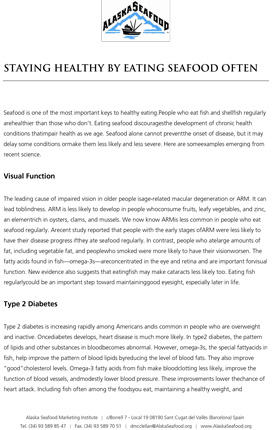
Staying healthy by eating seafood

Download PDF

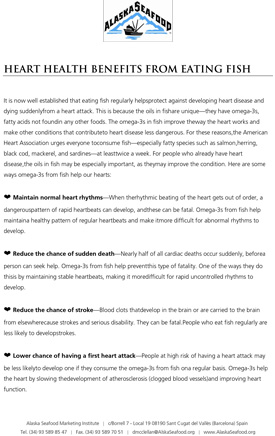
Heart Health Benefits of Eating Fish

Download PDF

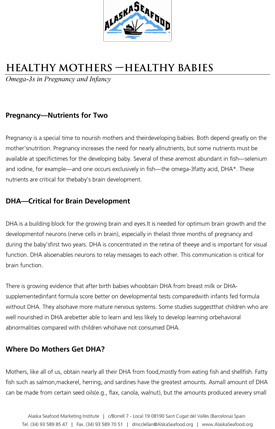
Healthy mothers - healthy babies

Download PDF

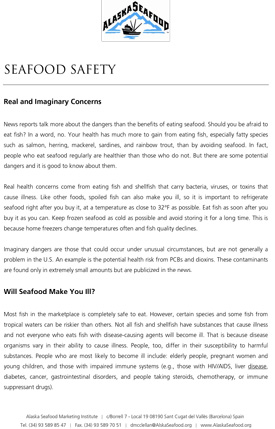
Seafood Safety measures

A few last tips…

1. Combining Alaska Seafood products with a higher-fat content, such as king salmon or black cod, with vitamin A rich foods such as bell peppers, sweet potato, spinach, carrot, or broccoli, can help the body to absorb the vitamin A.
Add roasted broccoli or sweet potato to your meal!
2. Combining Alaska Seafood products with a higher-fat content, such as king salmon or black cod, with vitamin E such as sunflower seeds, almonds, pine nuts, or spinach, can helps the body to absorb the vitamin E.
Add sunflower seeds to a spinach & grilled salmon salad
3. Incorporate Alaska Seafood products into a vegetable-based diet 2-3 times a week to ensure adequate B12 intake to support healthy DNA and nerve function, and to supplement nutrient deficiencies from plant-based diets. Alaska seafood, like the king crab, is especially rich in vitamin B12.
Shellfish can provide up to 150% OF OUR DAILY B12 PERCENTAGE VALUE
4. Consuming canned salmon with bones is a great way to add calcium and vitamin D to a vegetable-based diet. A 125-gram serving contains approximately 221 mg of calcium, which is 22% of the daily percentage value. In addition, canned salmon is very versatile. For your next meal, why not try the salmon burgers, fried rice with salmon and vegetables, salmon fishballs with sweet potatoes or prepare some avocado boats with canned salmon.
TRY SALMON FISHBALLS WITH SWEET POTATOES OR PREPARE AVOCADO WITH CANNED SALMON