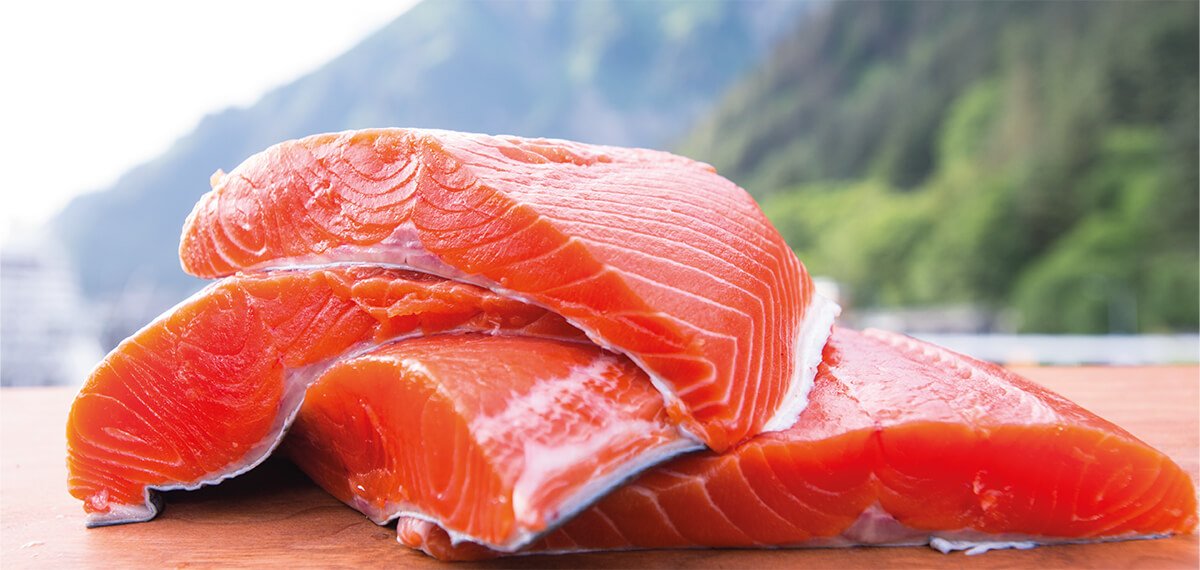
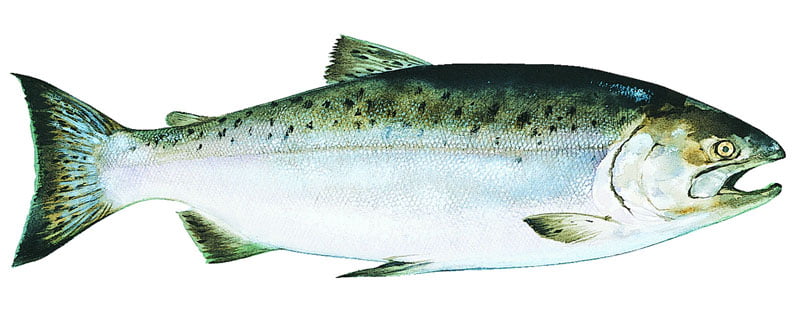
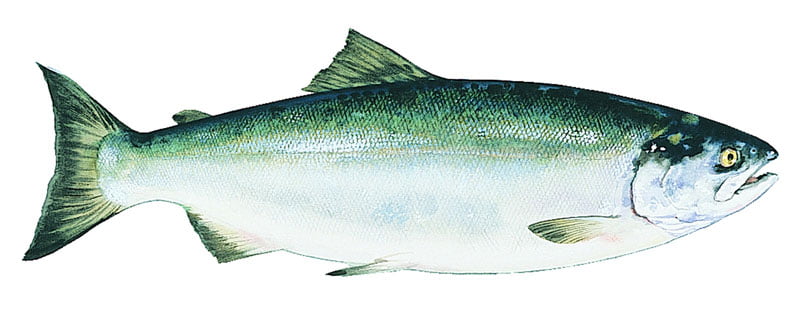
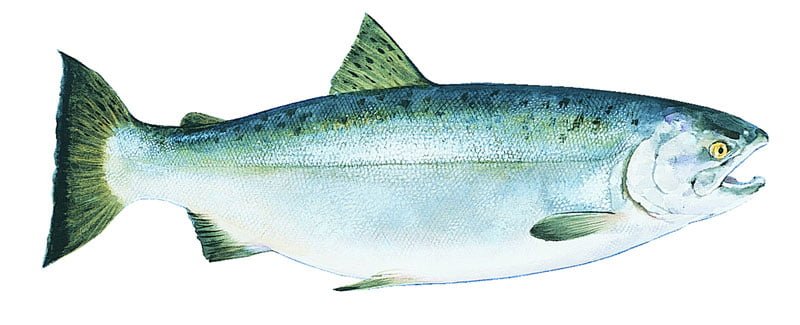
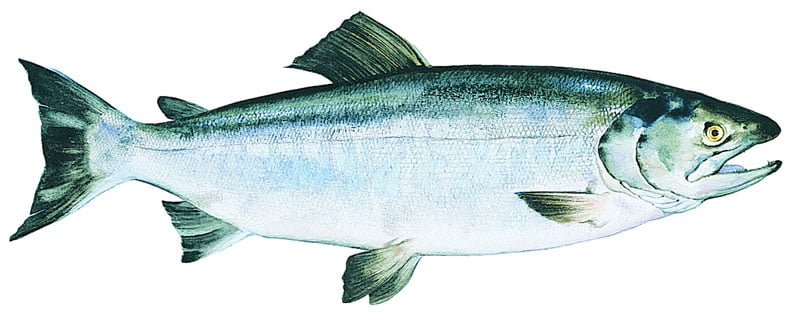
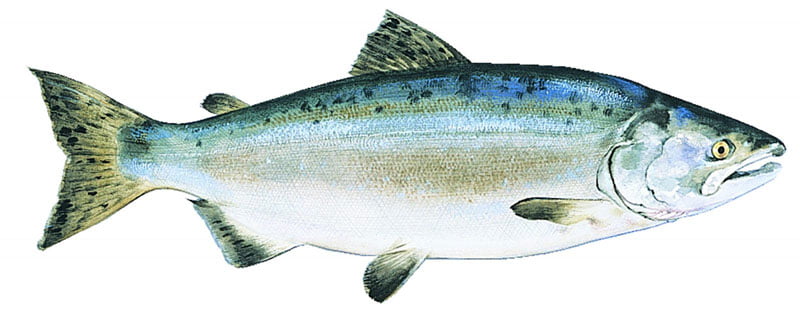
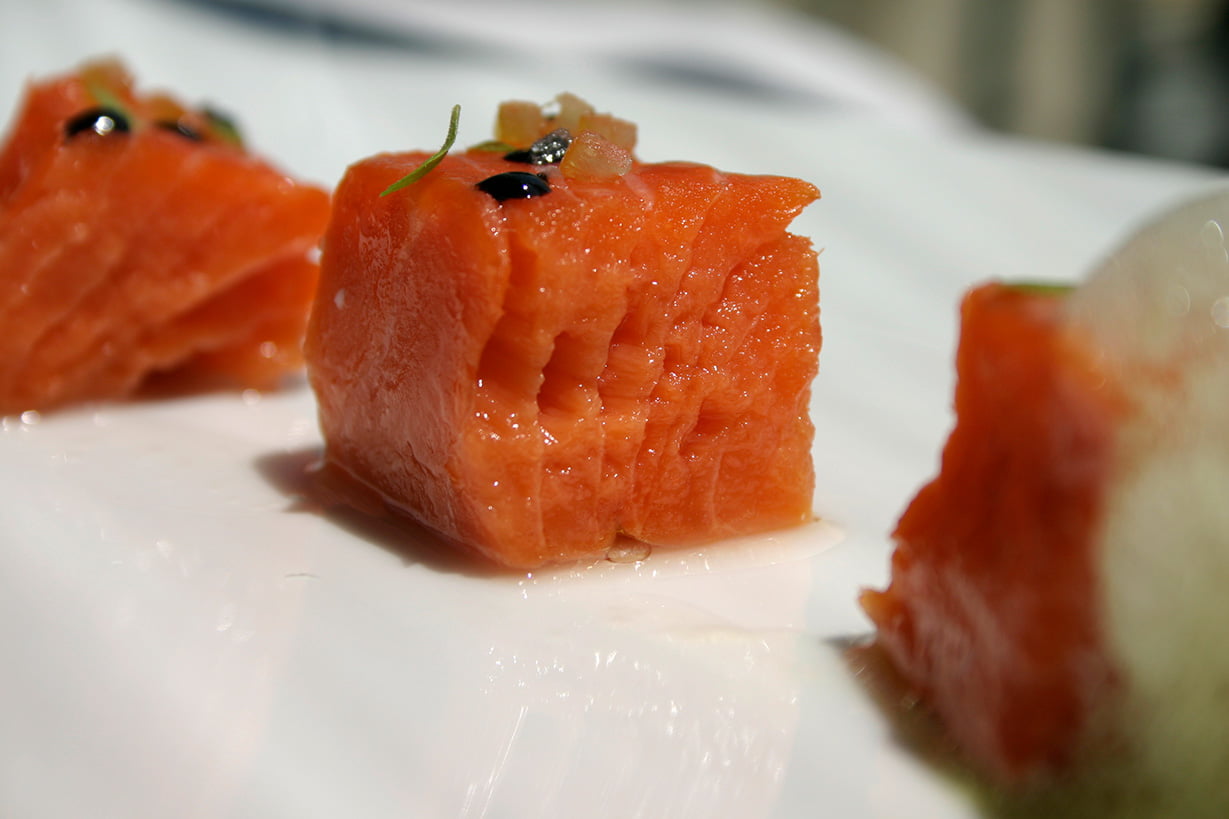
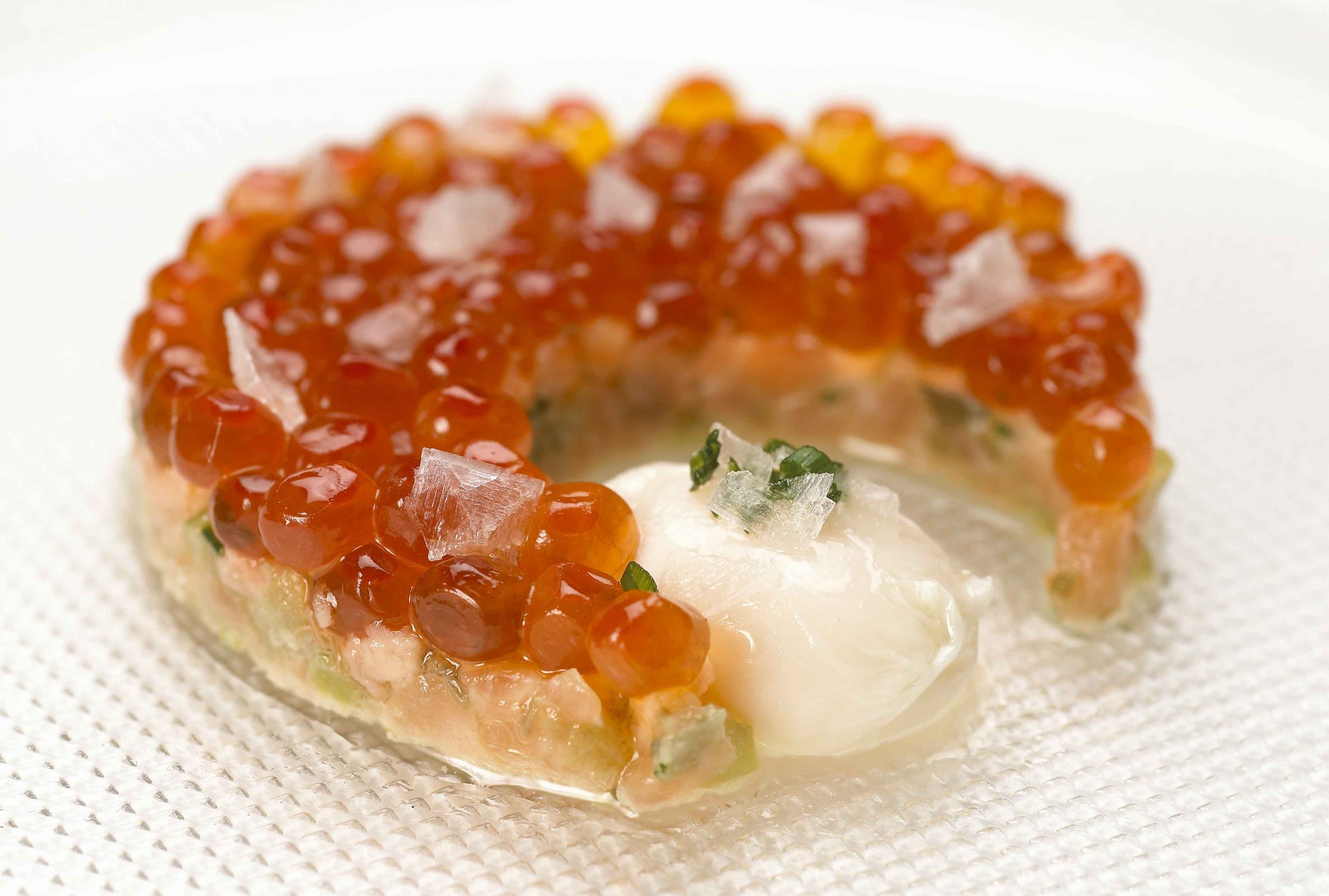
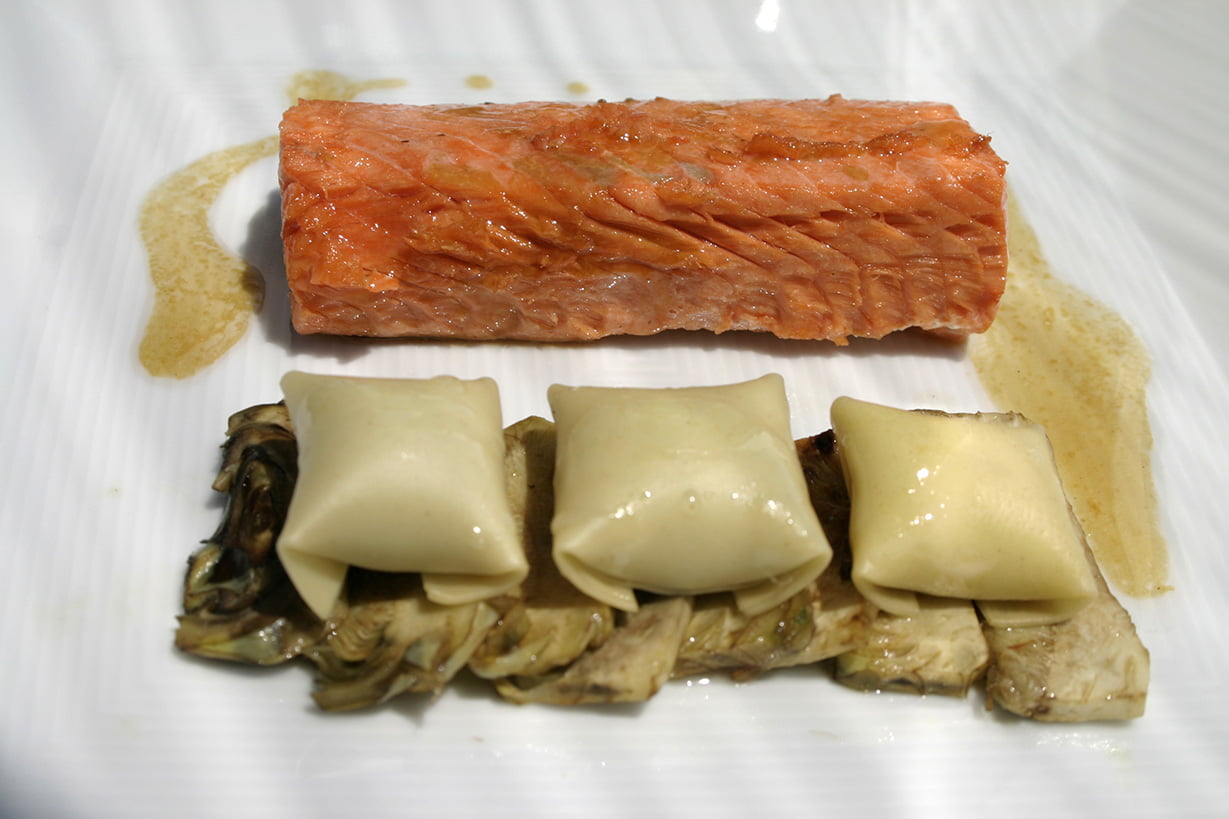
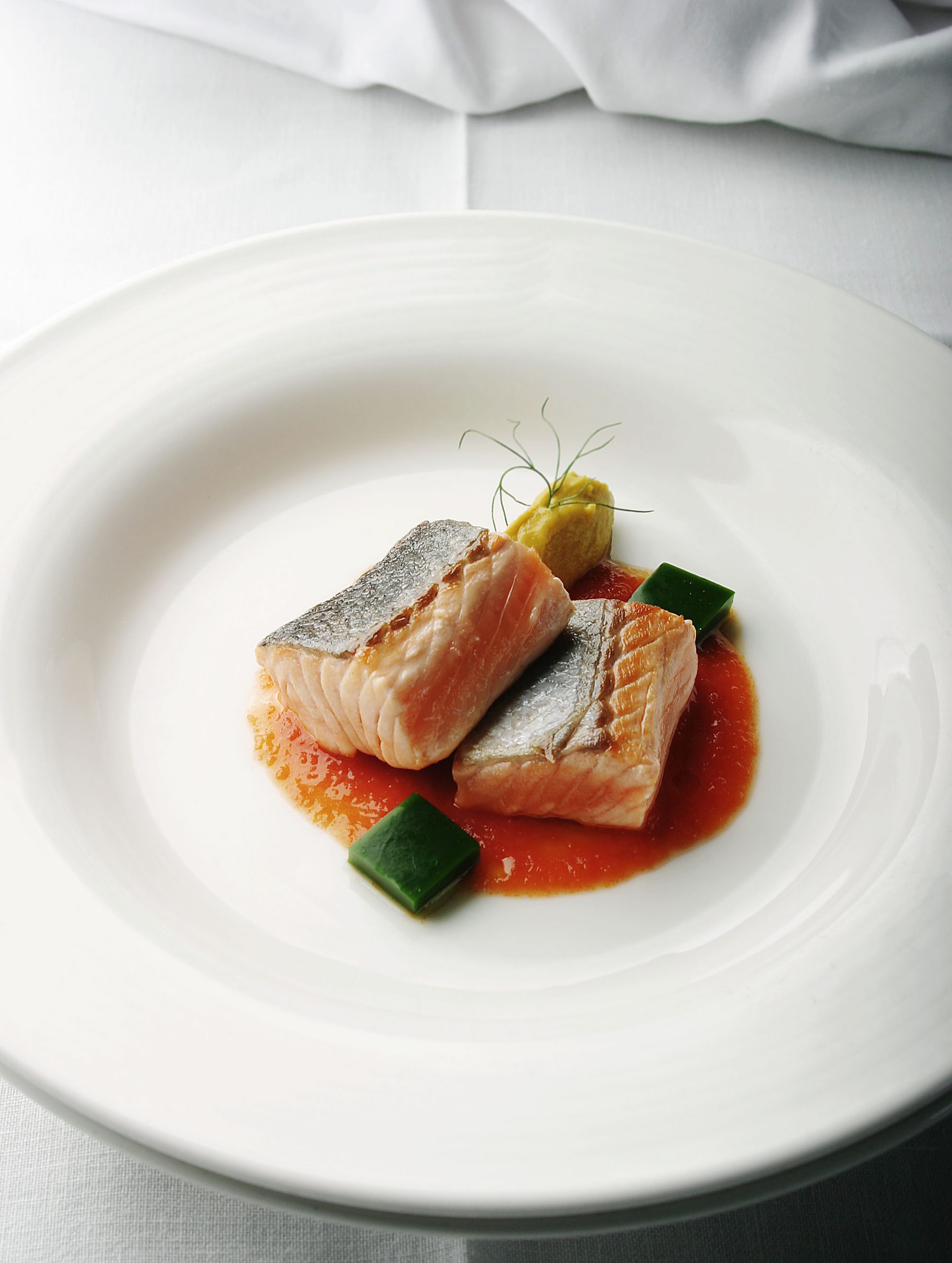
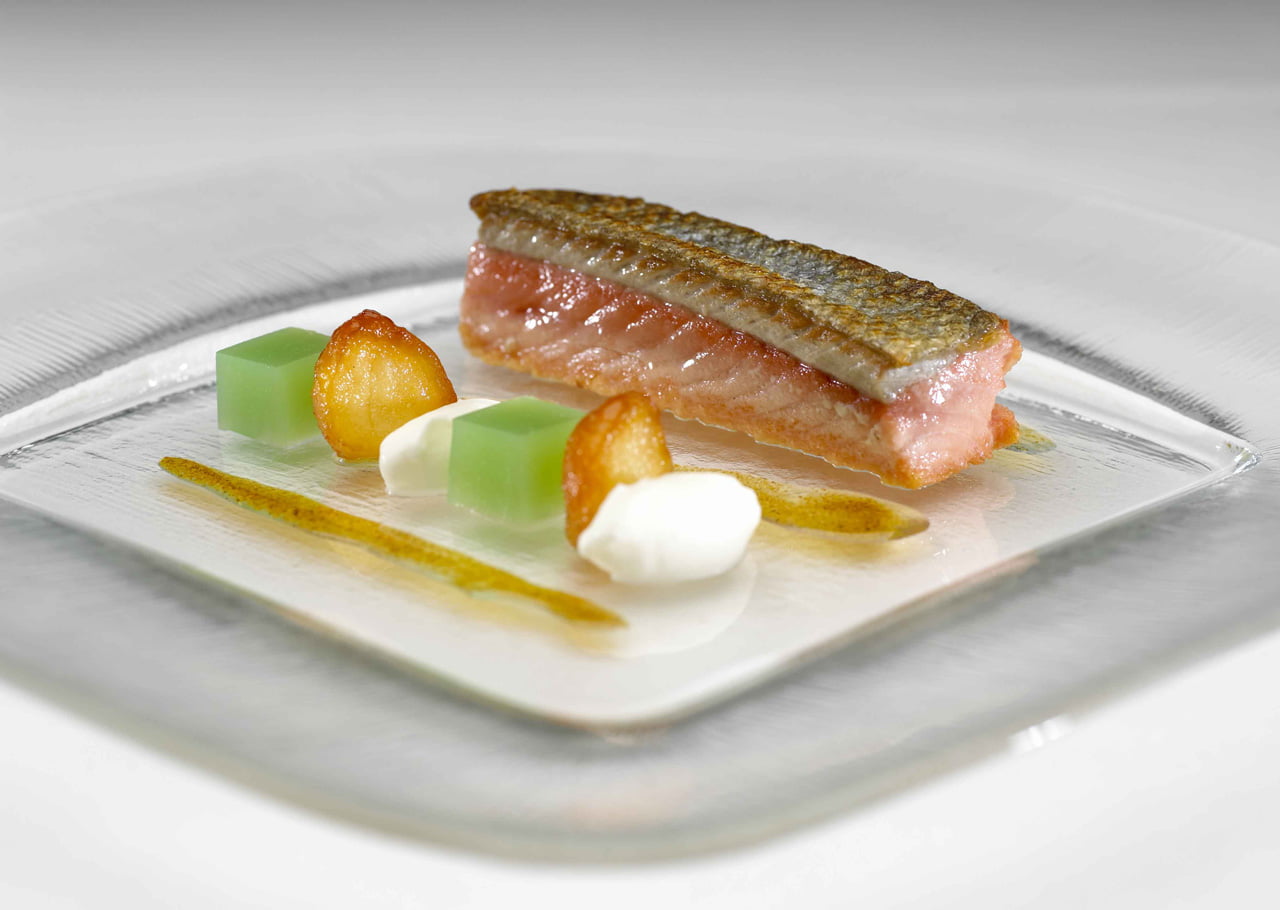
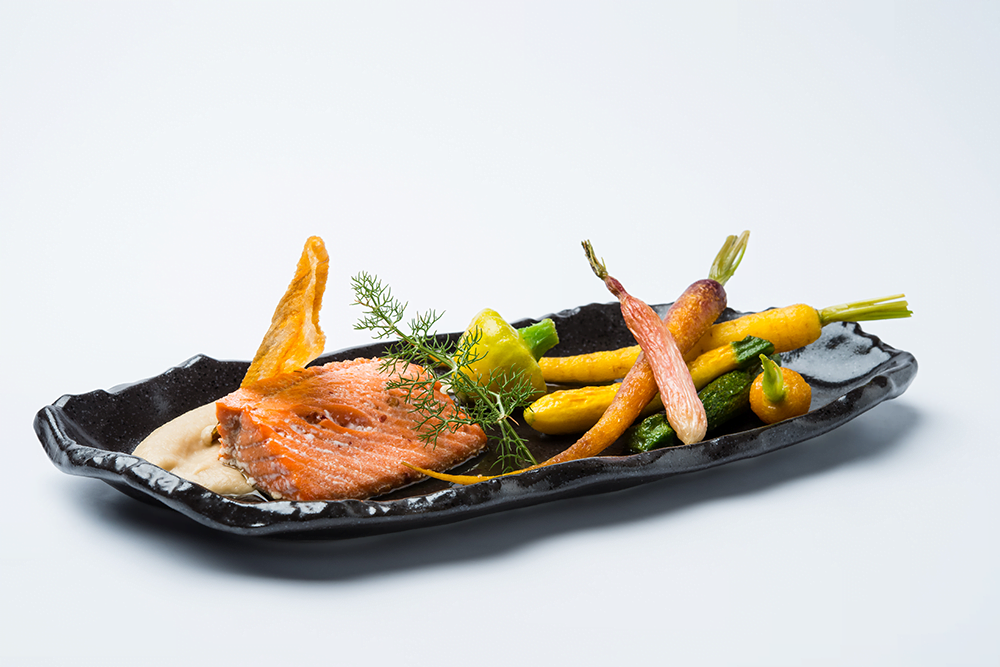
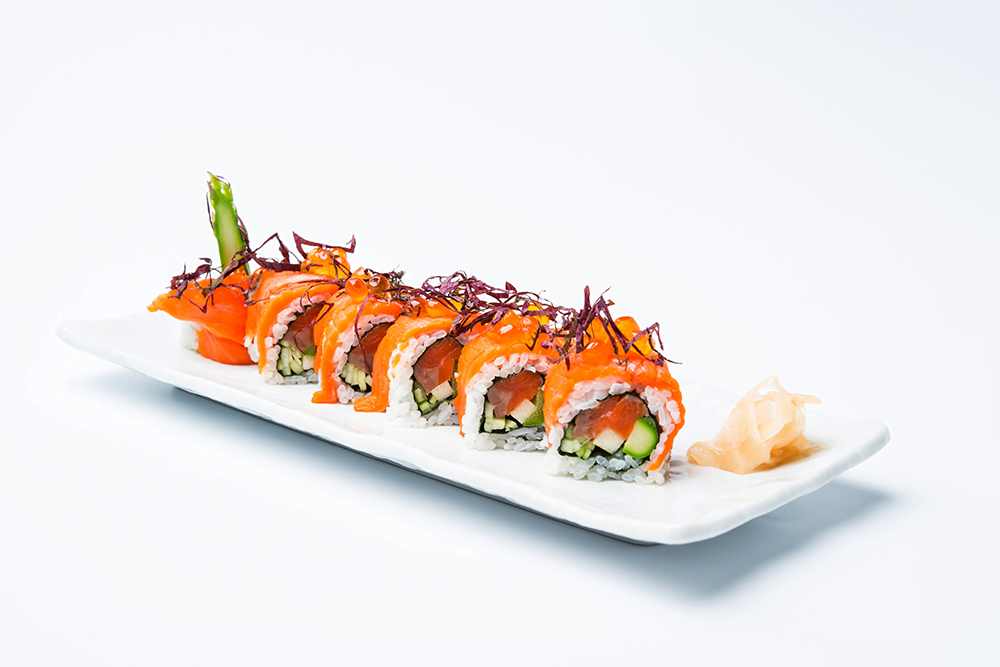
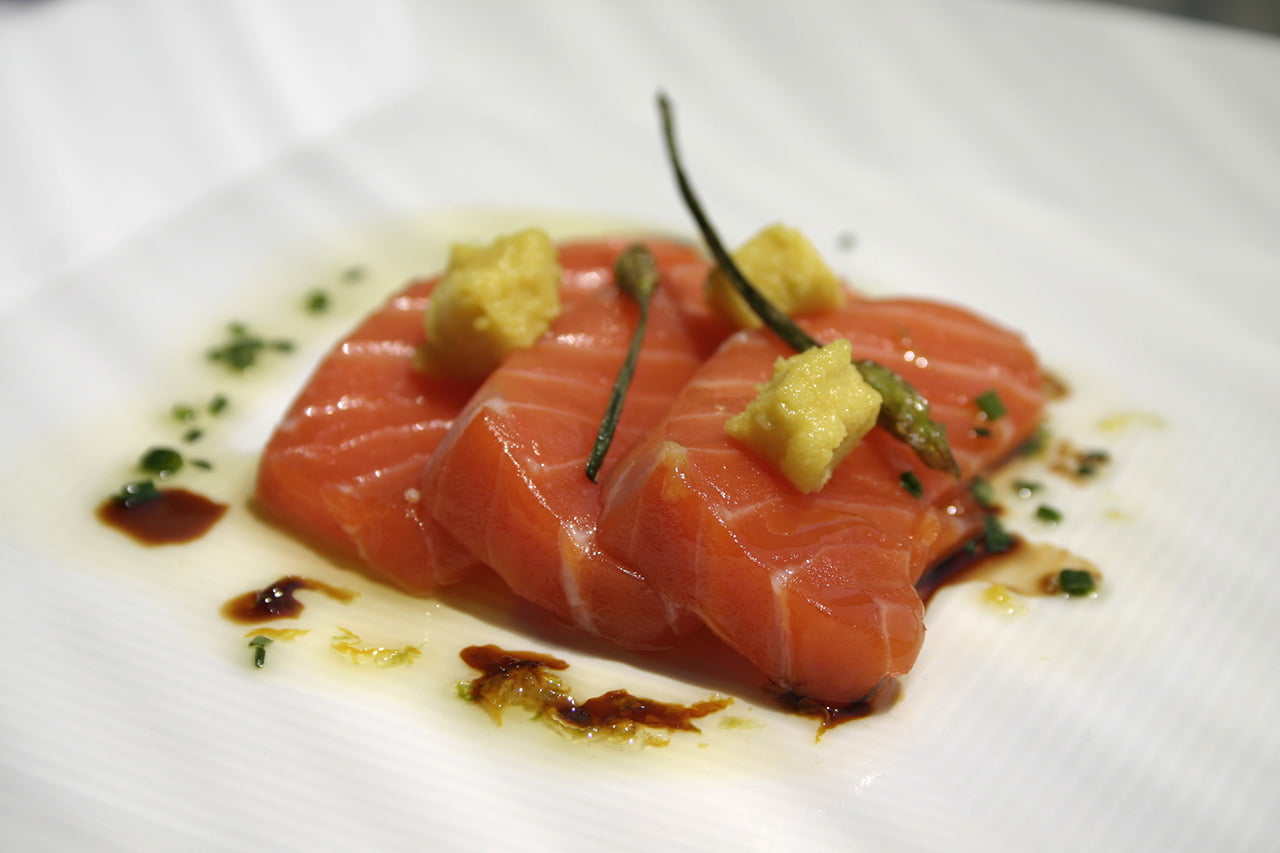
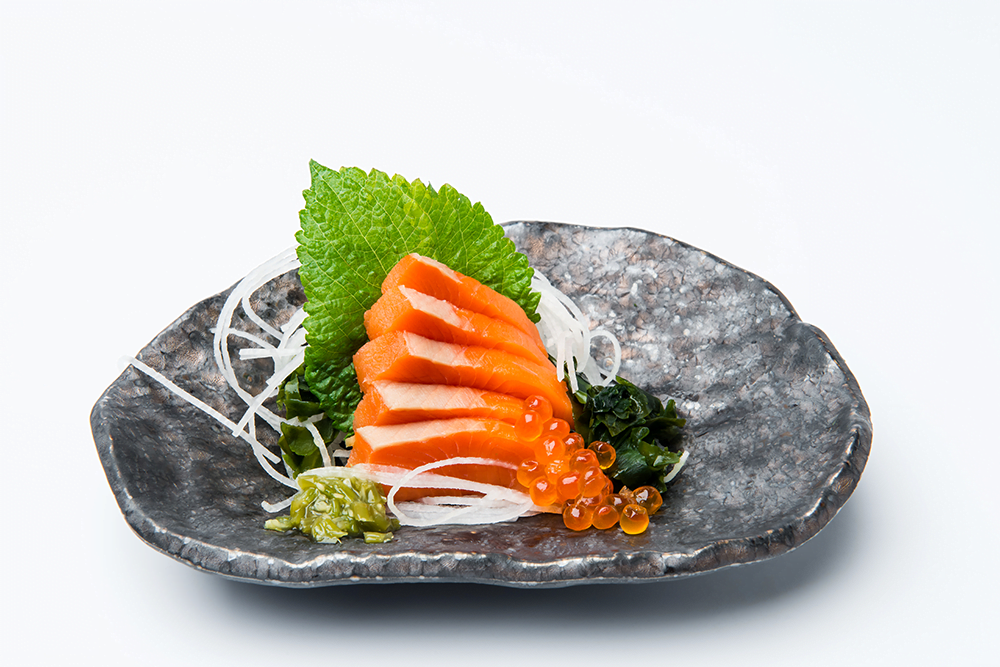
Alaska is one of the last strongholds of wild salmon and its waters are home to the largest and healthiest populations of wild salmon on the planet. The denomination Wild Salmon of Alaska groups five species that are born in the crystalline rivers of Alaska and who spend their adult life in the waters of the North Pacific Ocean. Alaska salmon, like their Atlantic counterparts, are anadromous: they are born and live the first part of their life in fresh water before moving to saltwater to grow and mature. They end their life by returning to the river where they were born to spawn and then die.
Unlike the Atlantic Ocean, where only a single species of salmon lives (salmo salar), six species of salmon dwell in the North Pacific, five of which are fished commercially in Alaska. They belong to the genus Oncorhynchus, a term that combines two Greek words: “onco”, which means hook or chin, and “rhyno”, which means nose. The scientific names of the five species of Alaska Salmon were established during the exploration of Siberia and are related to the common names by which these fish are known in its indigenous languages.